Big Ideas,
Real Impact.
Driven by curiosity and built on purpose, this is where bold thinking meets thoughtful execution. Let’s create something meaningful together.
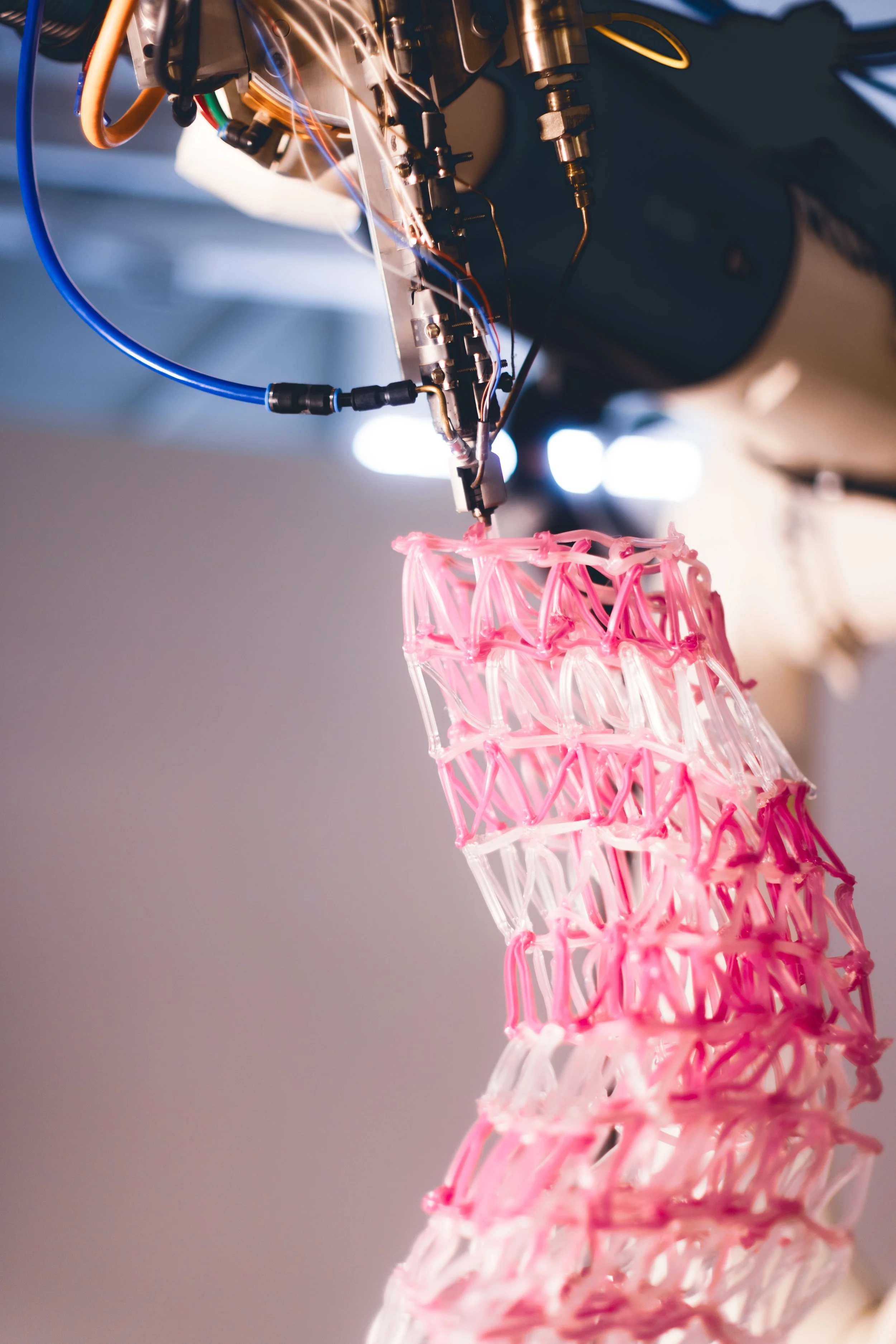
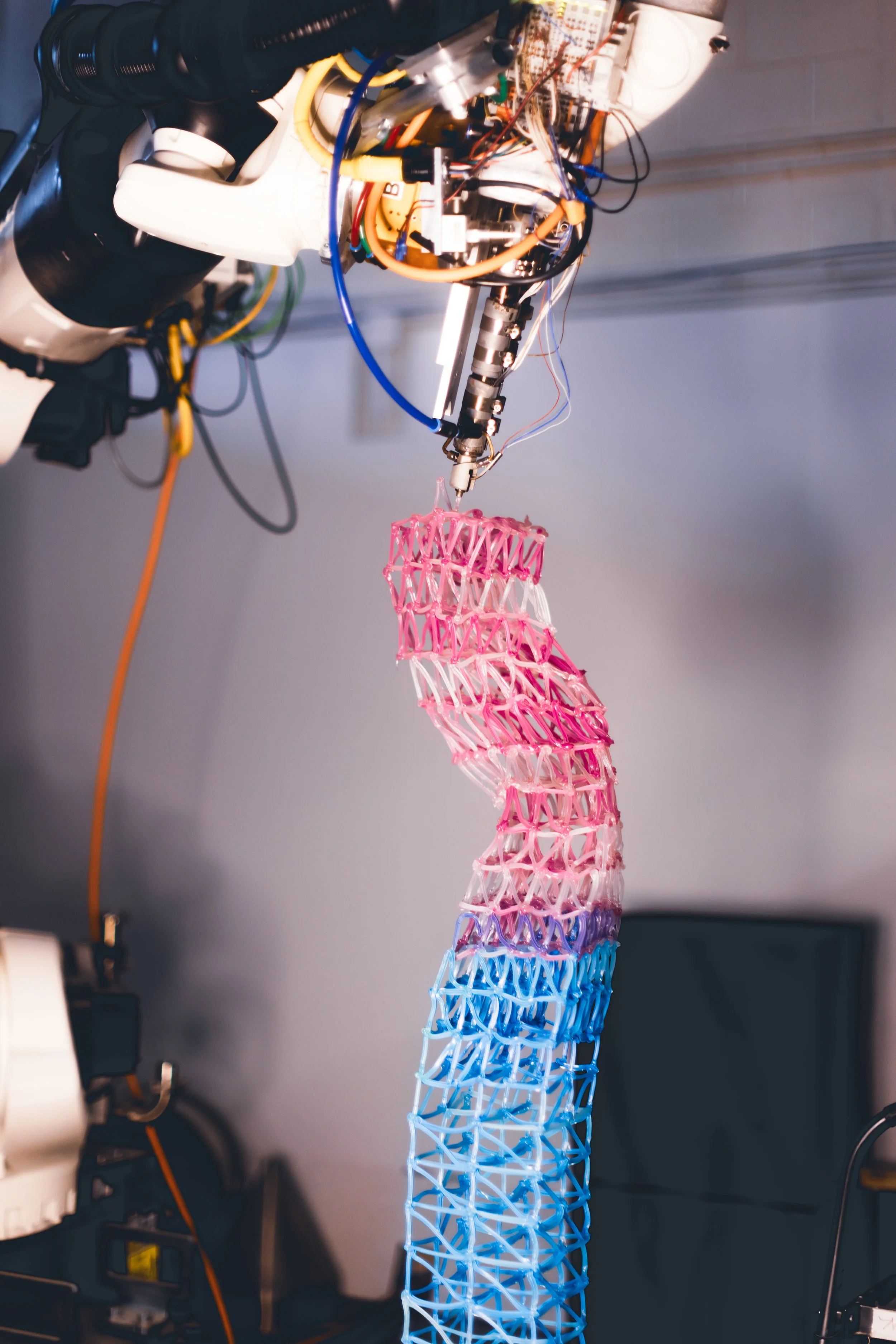
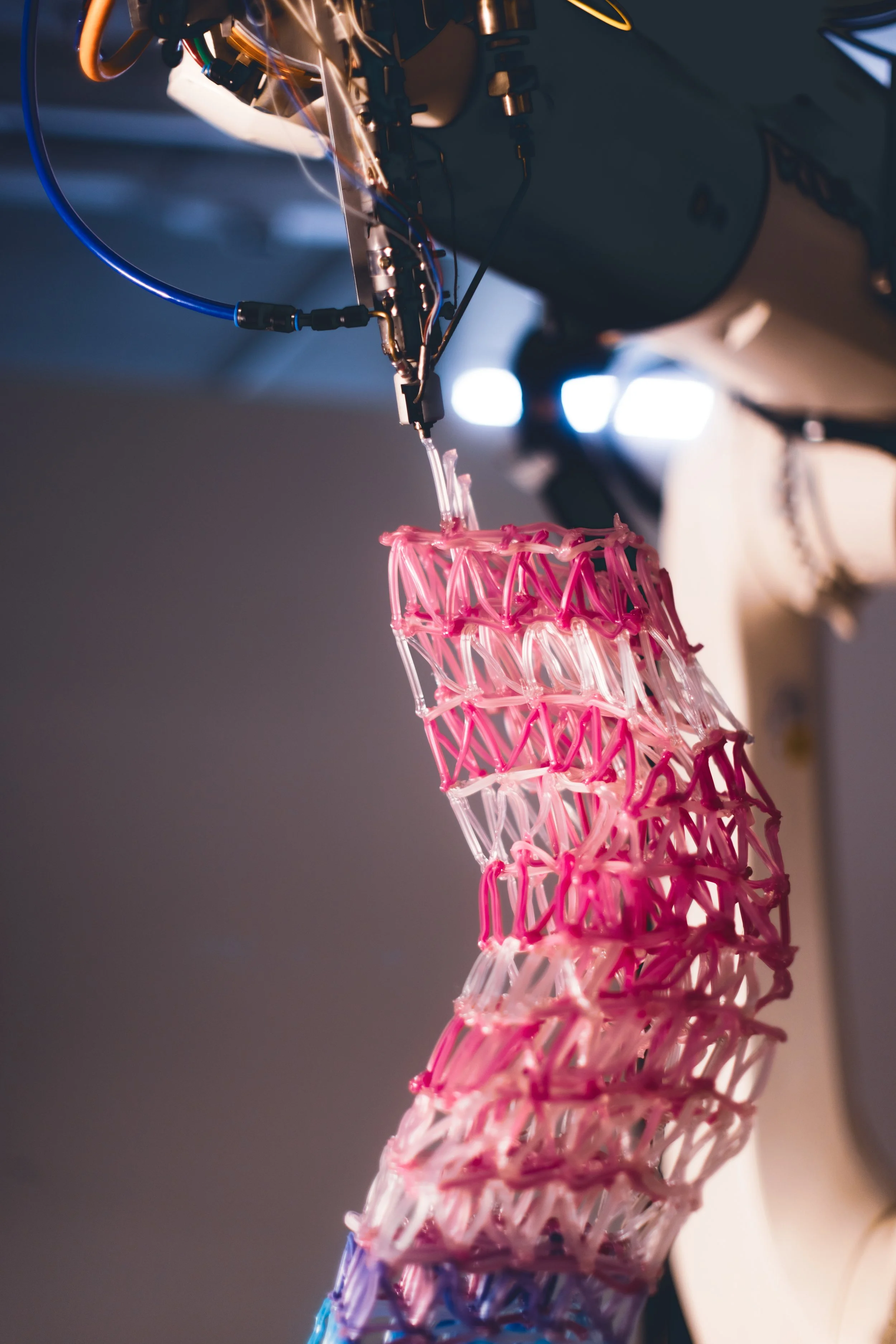
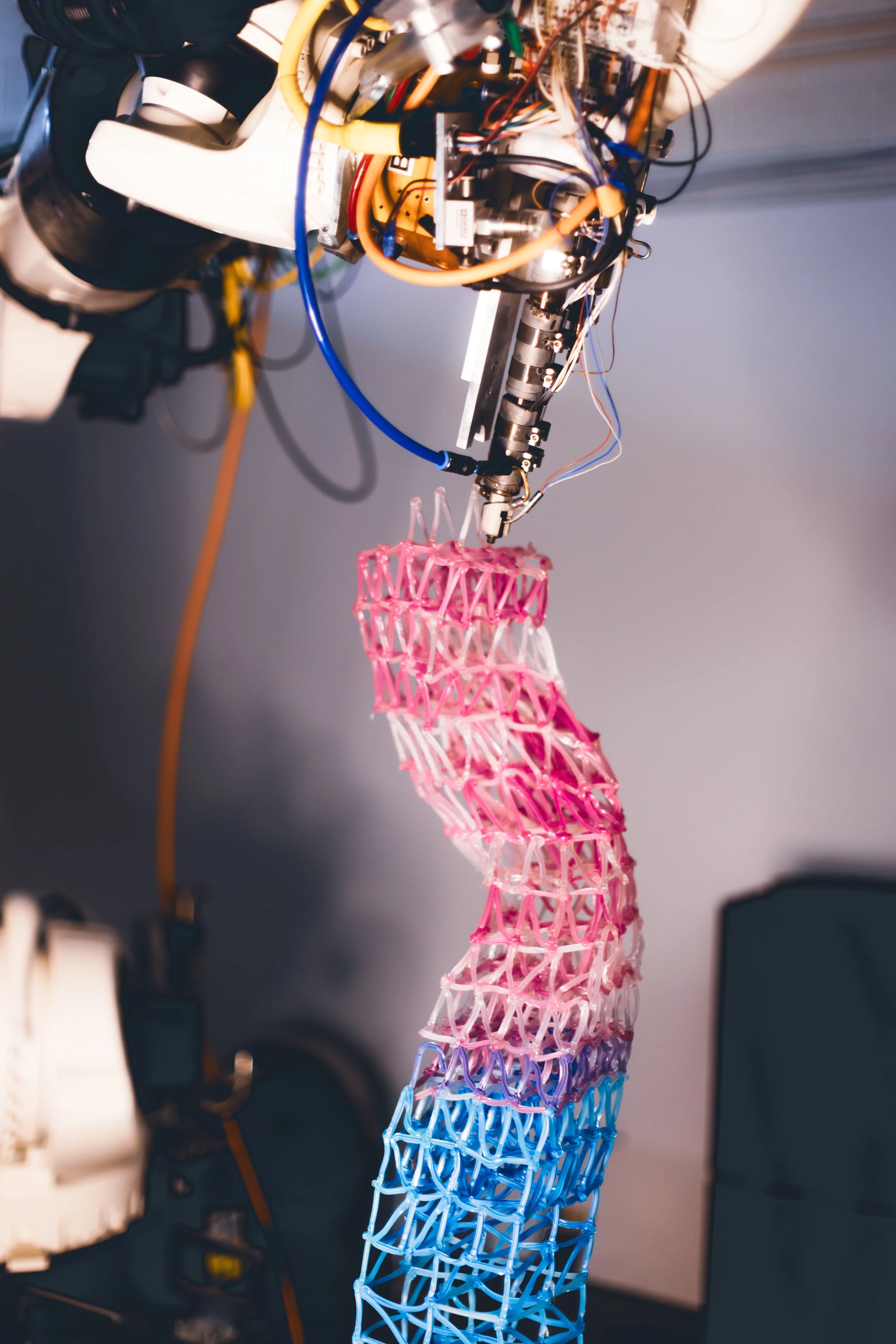
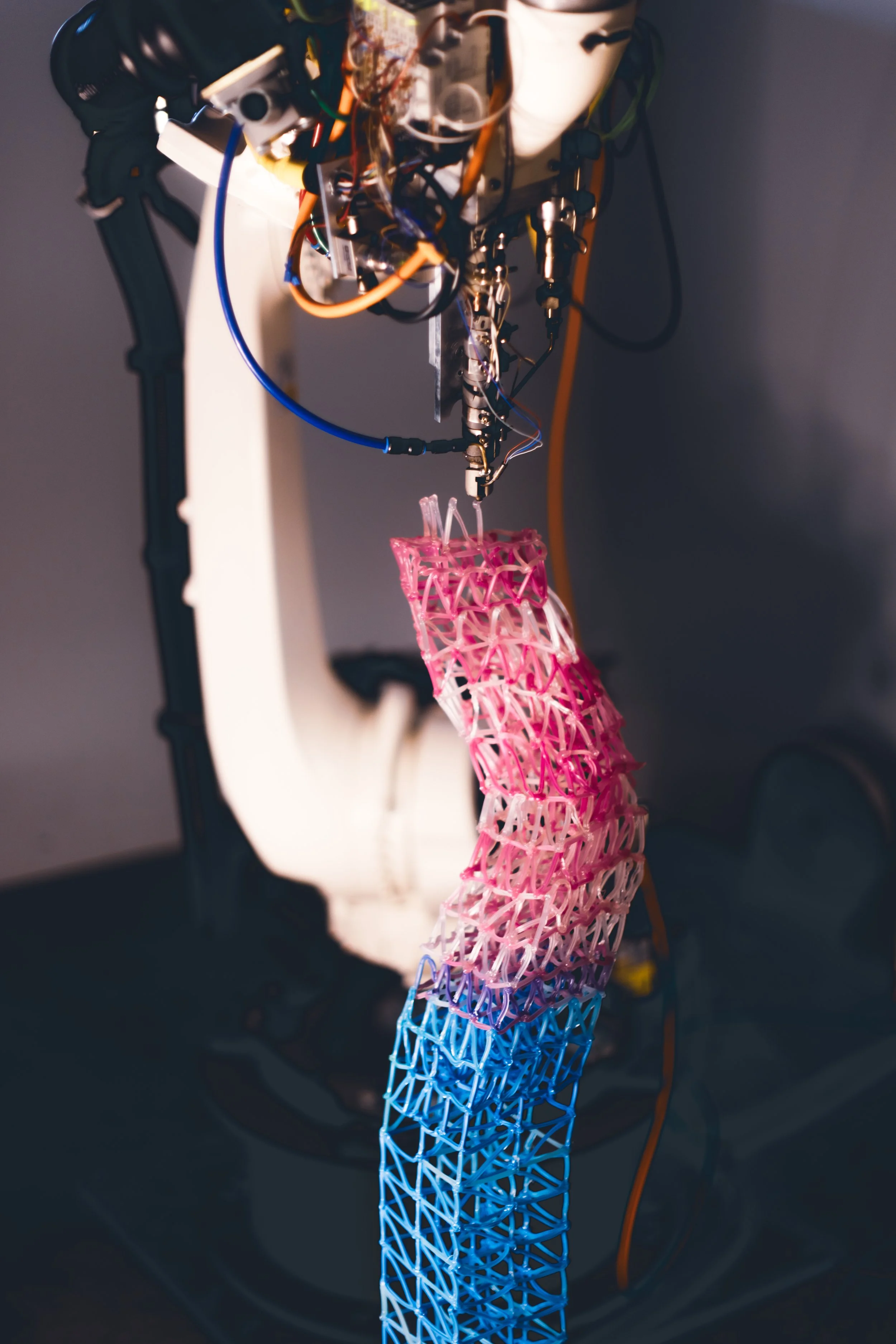
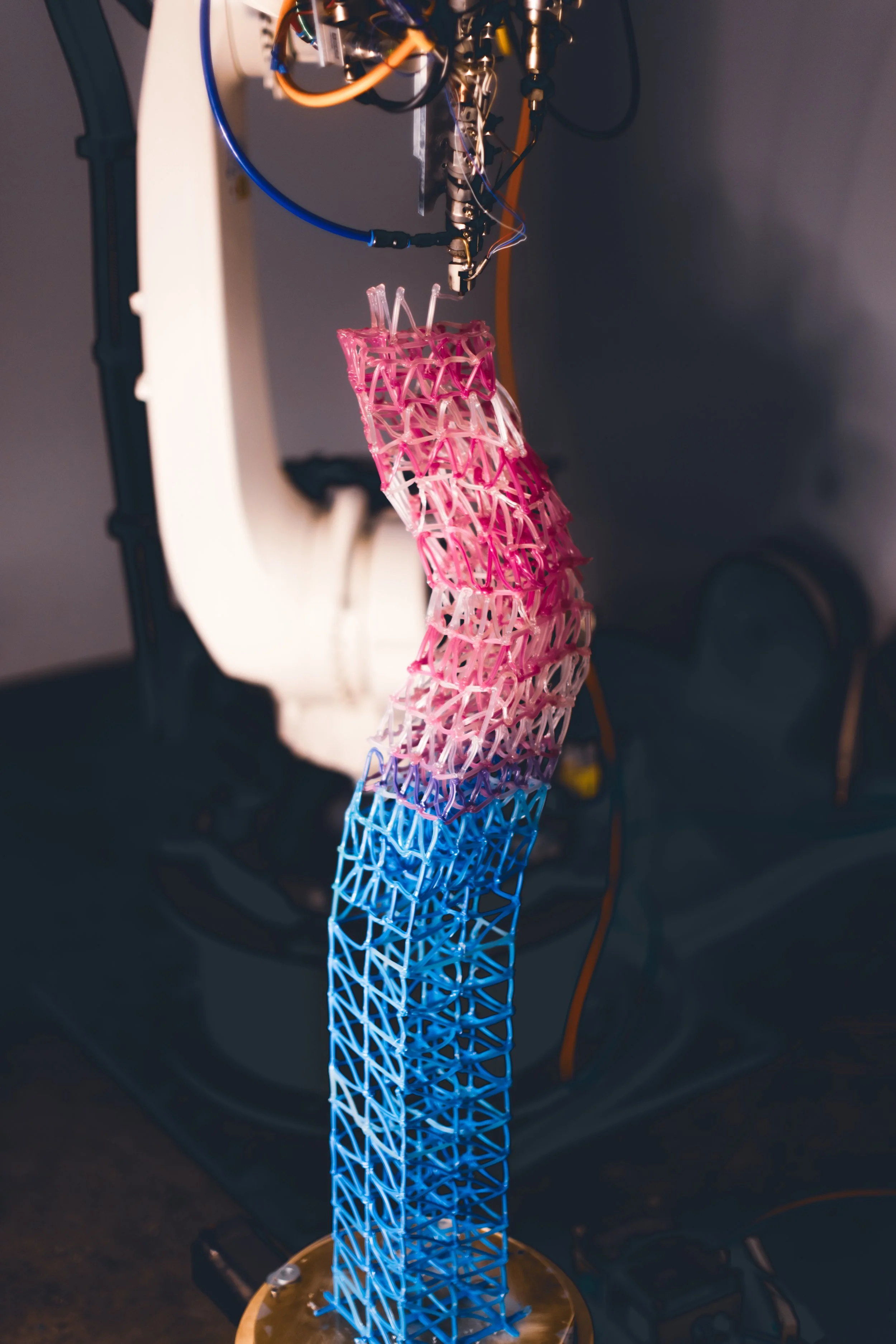
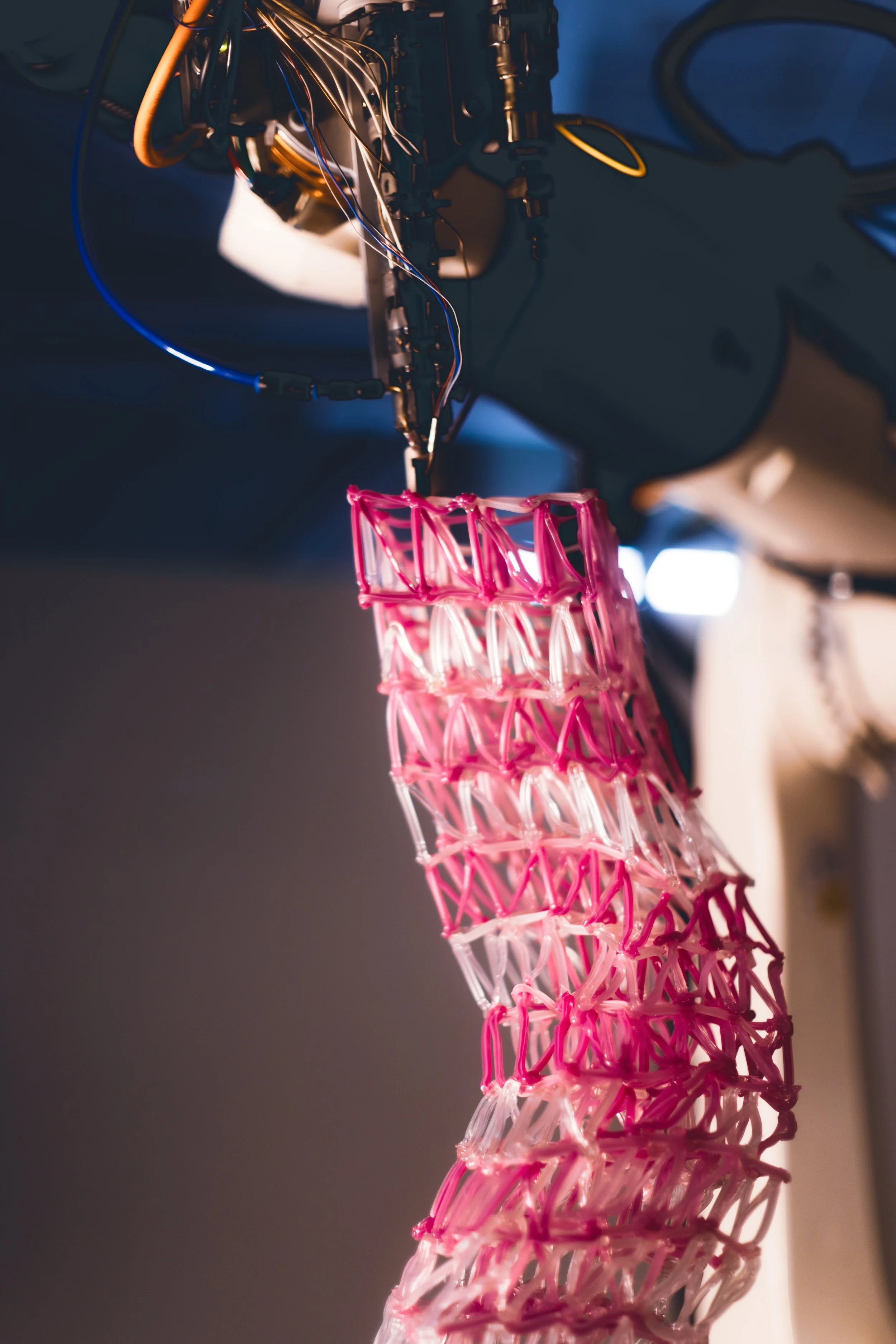
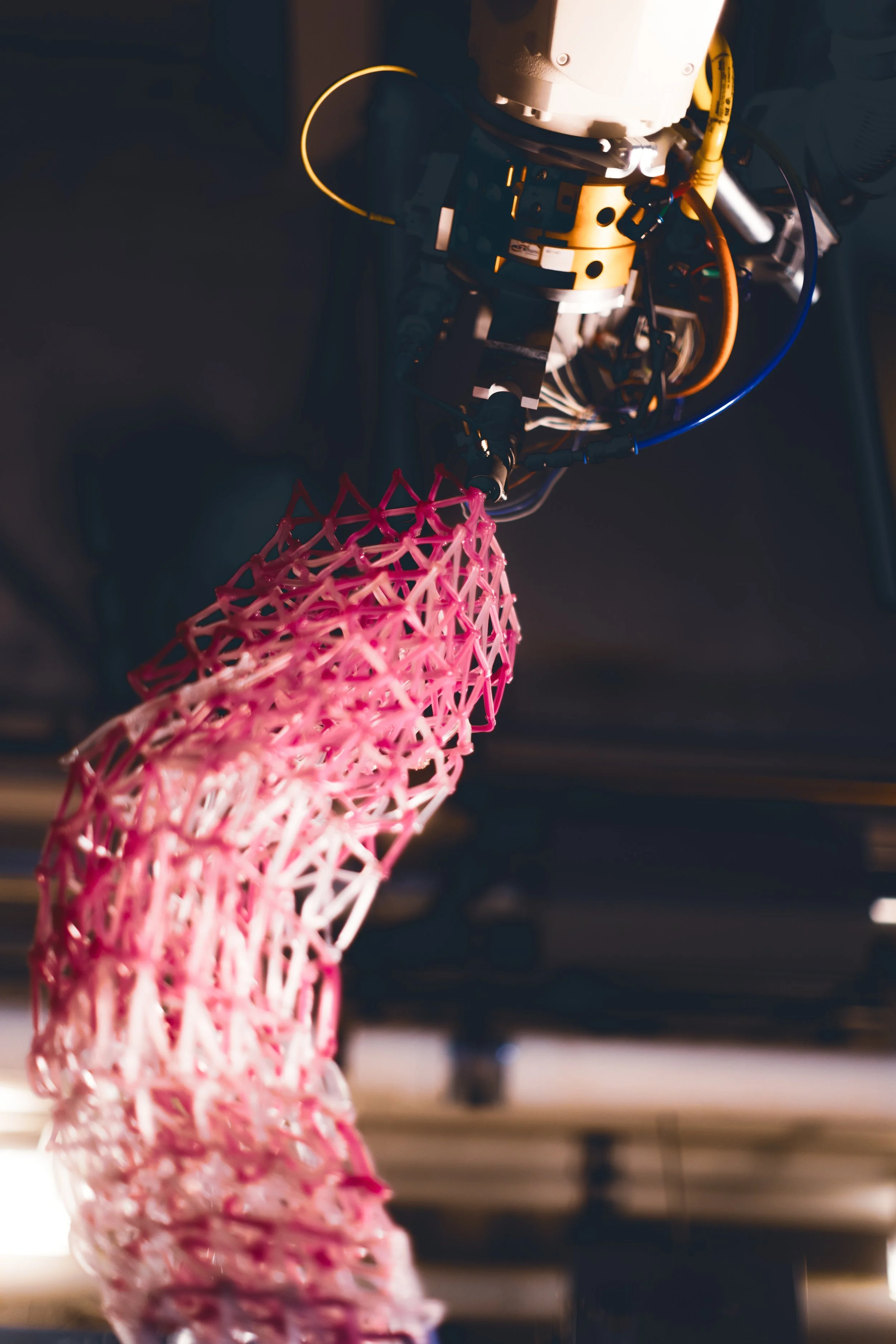
Functionally graded materials require local control over architecture, orientation,
and material distribution, yet conventional planar slicing can limit the directionality,
continuity, and geometric fidelity of printable gradients. This project investigates
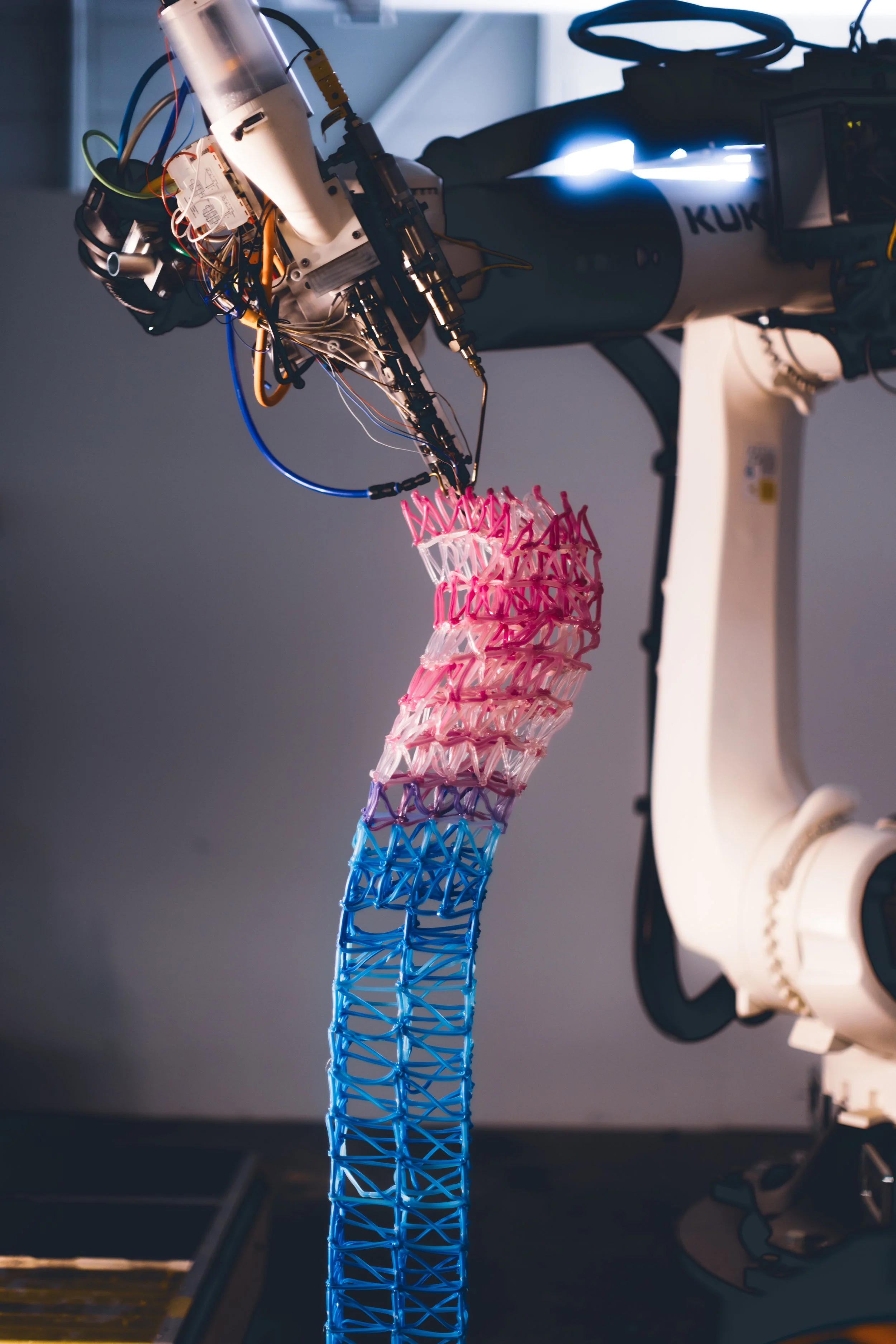
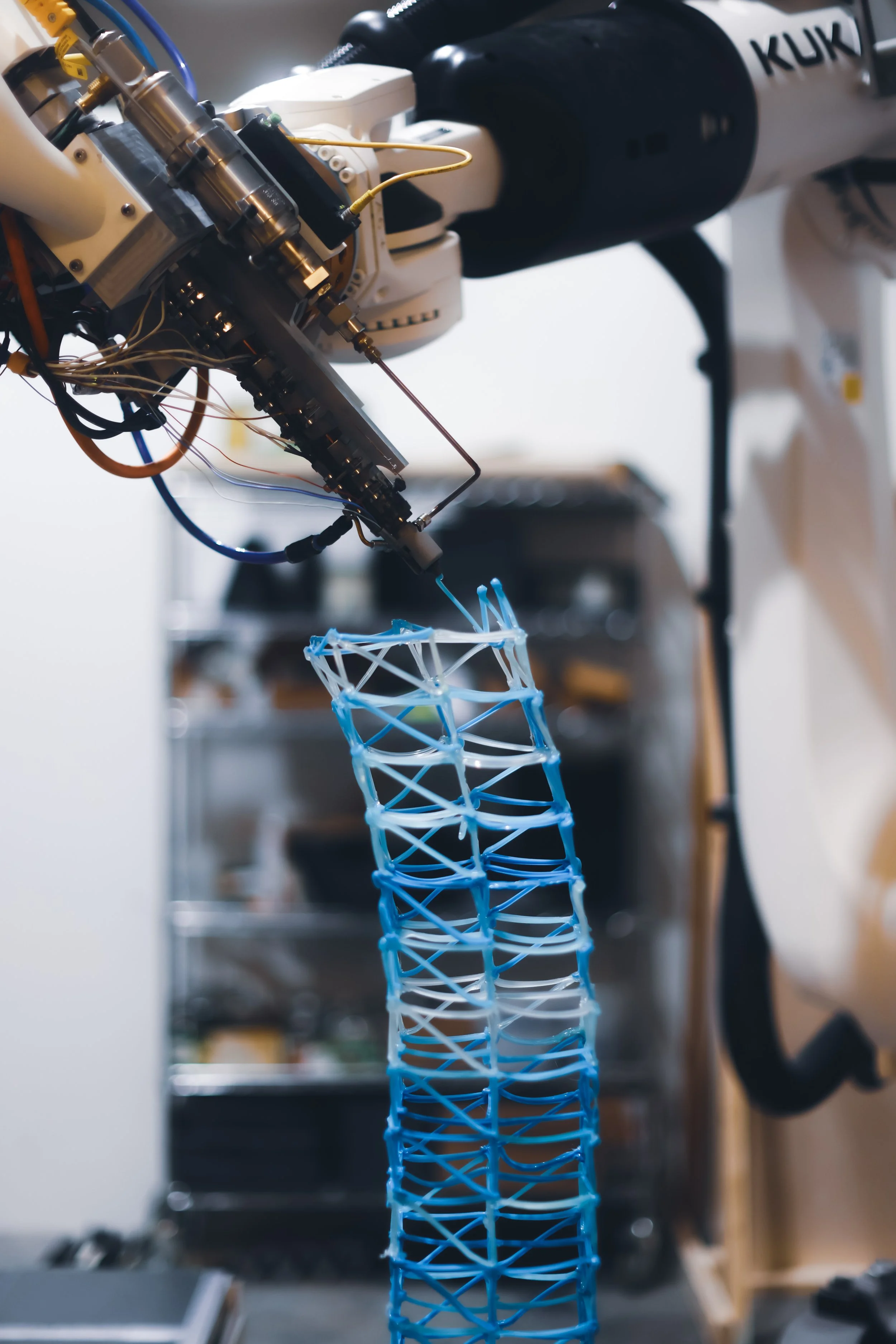
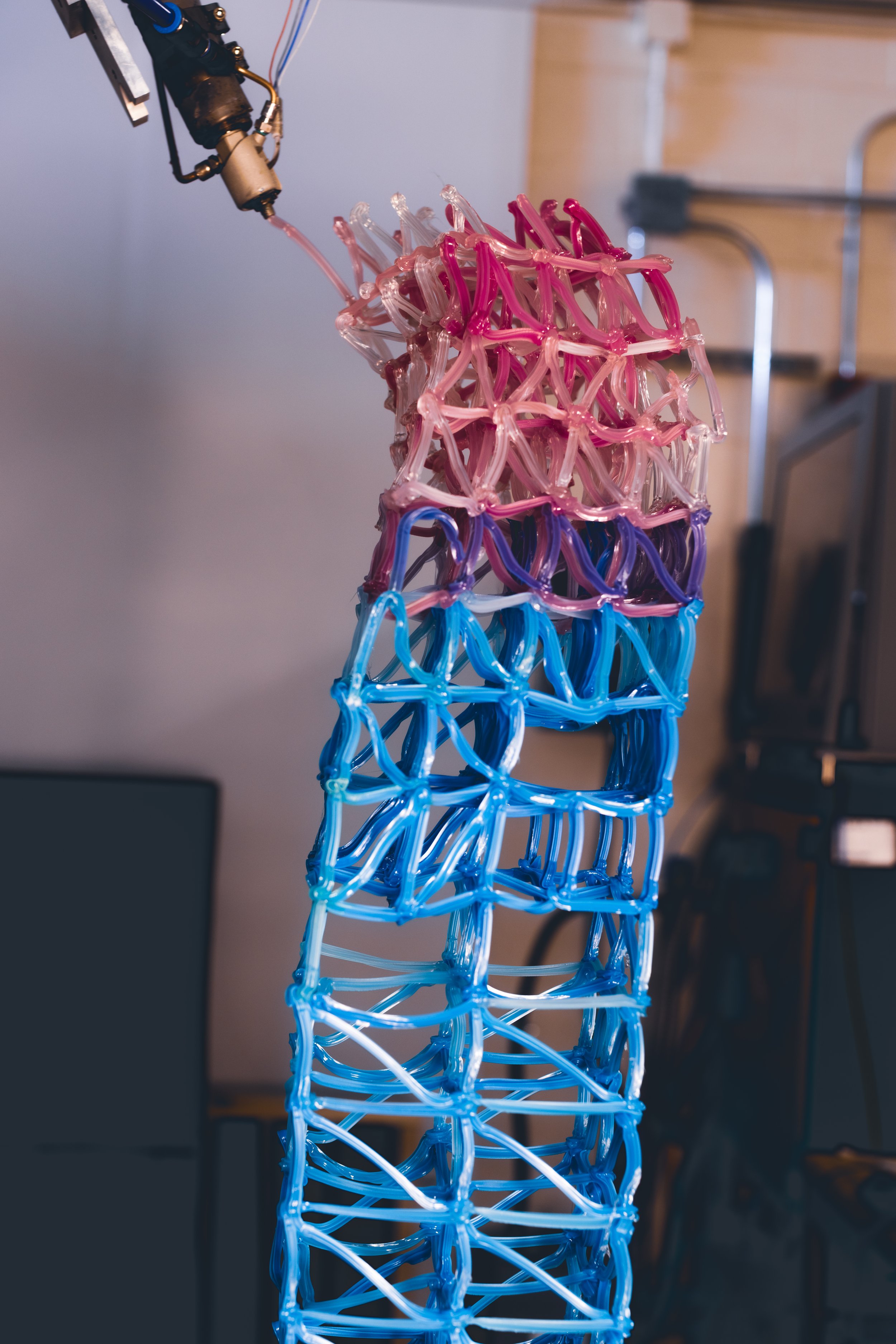
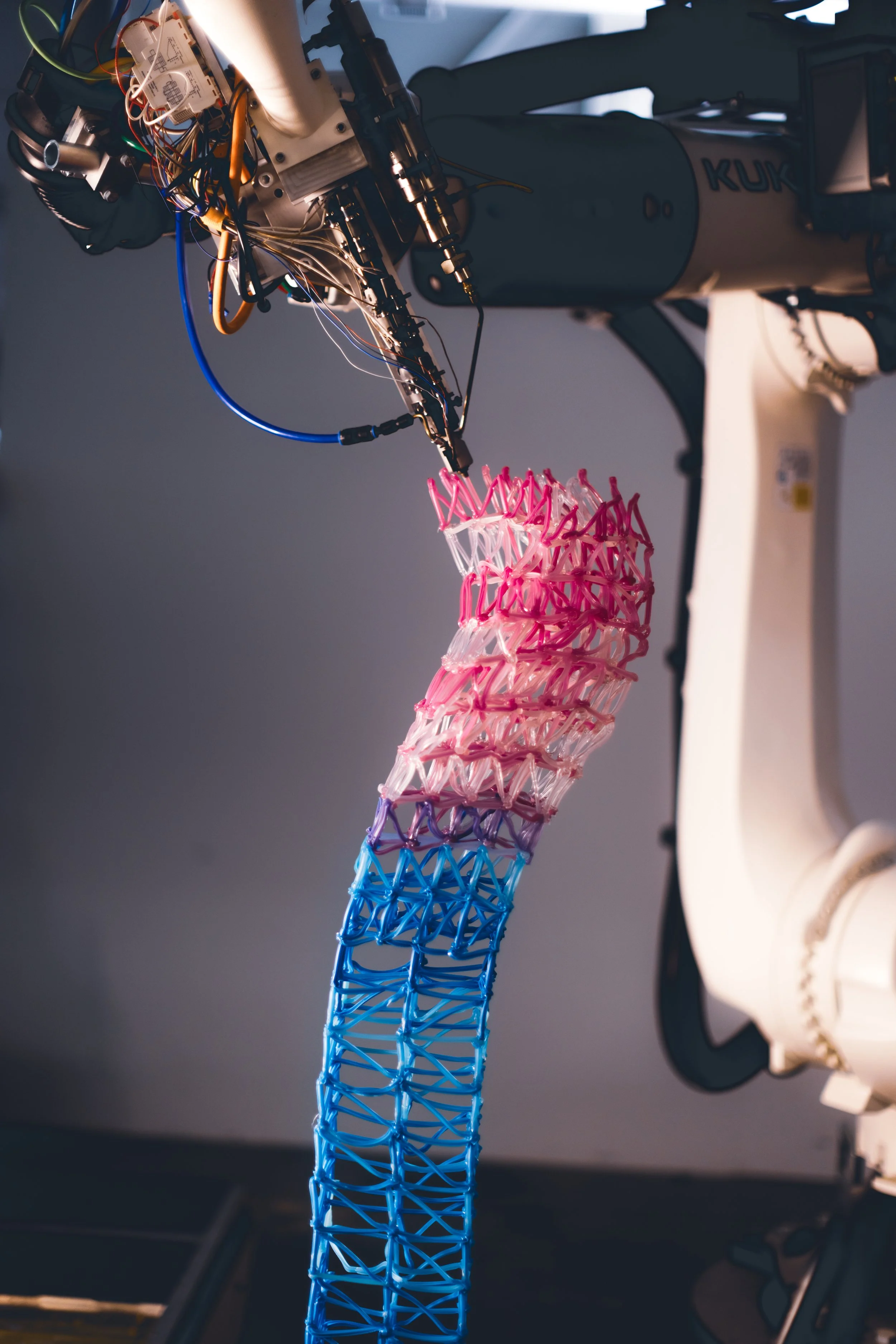
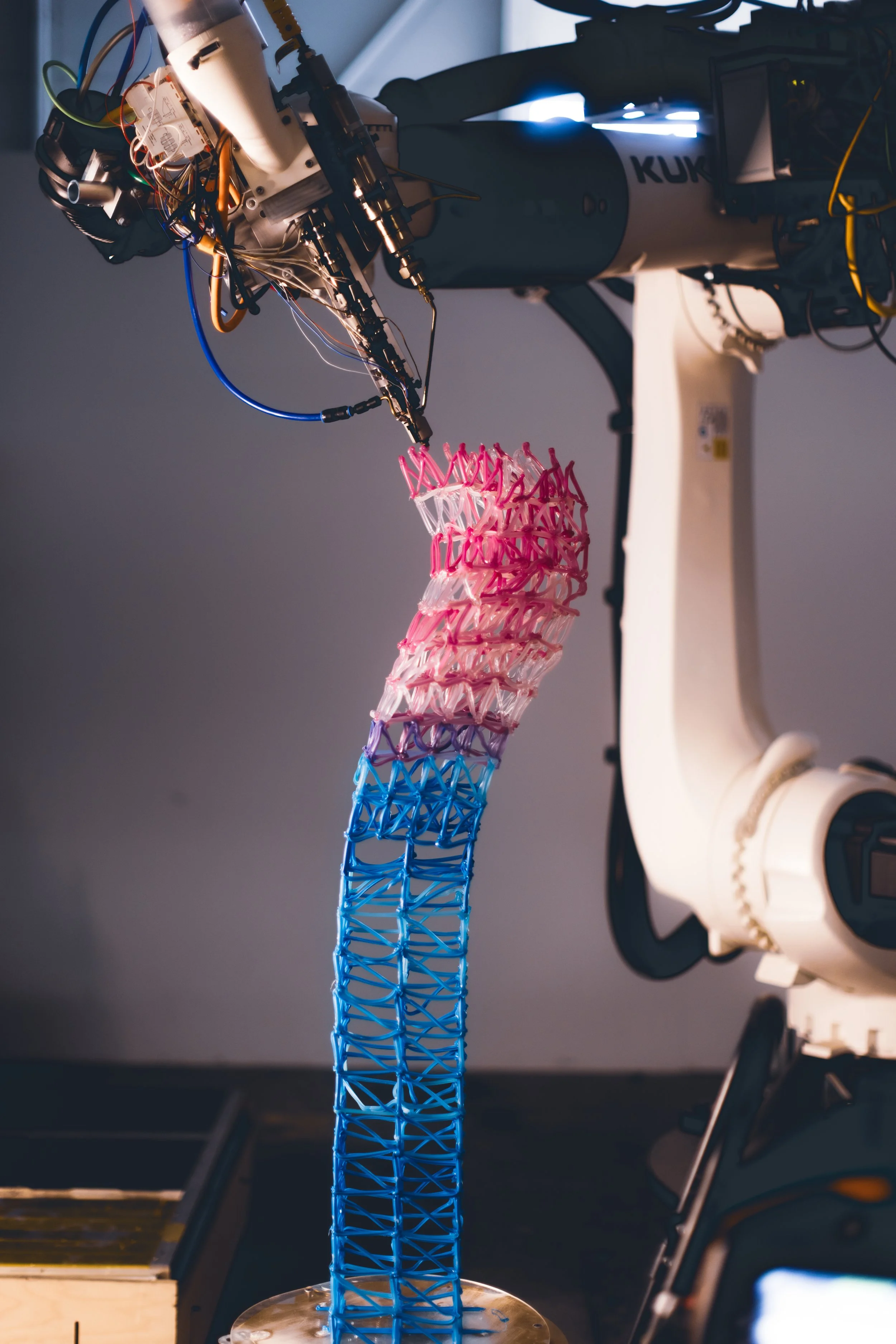
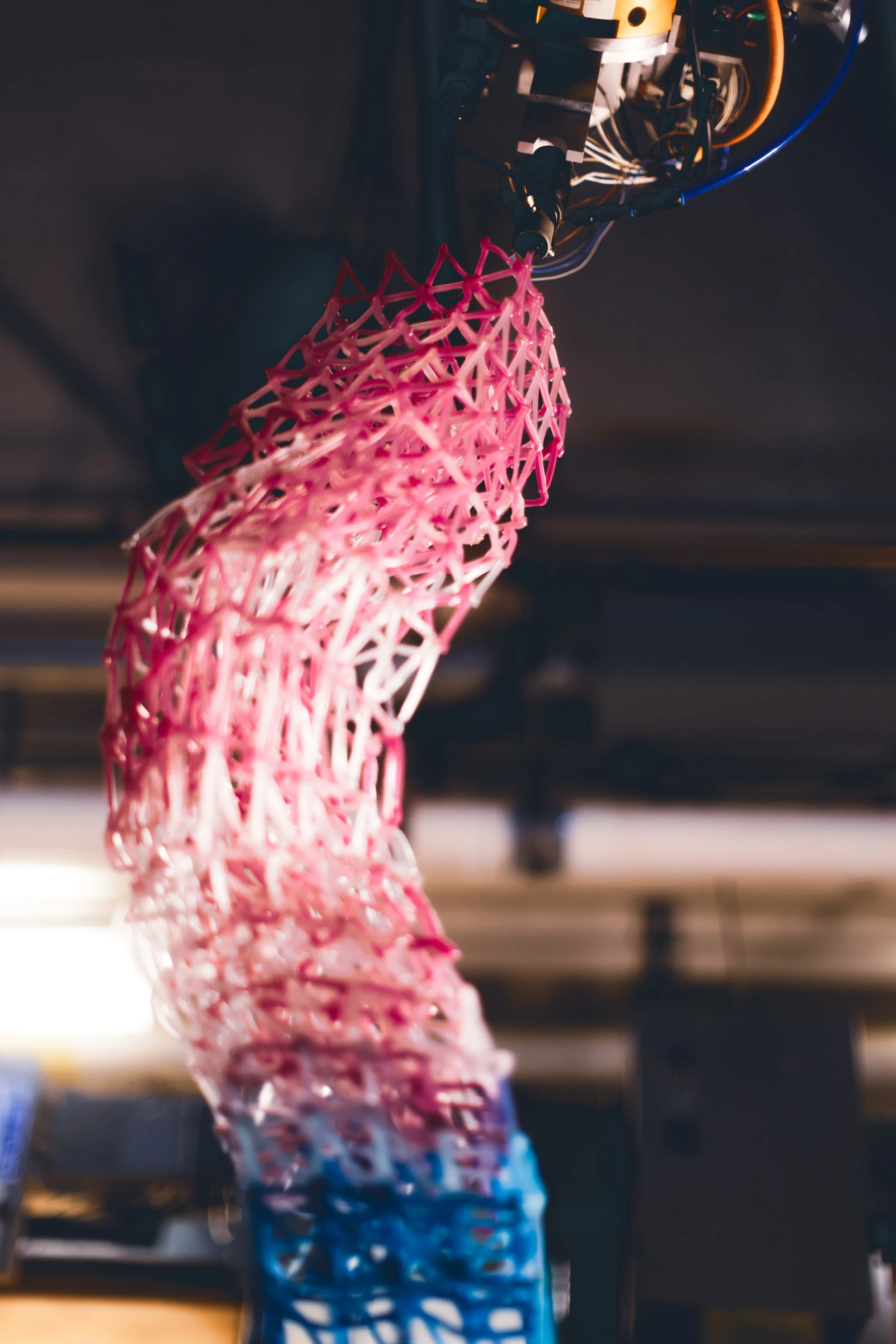
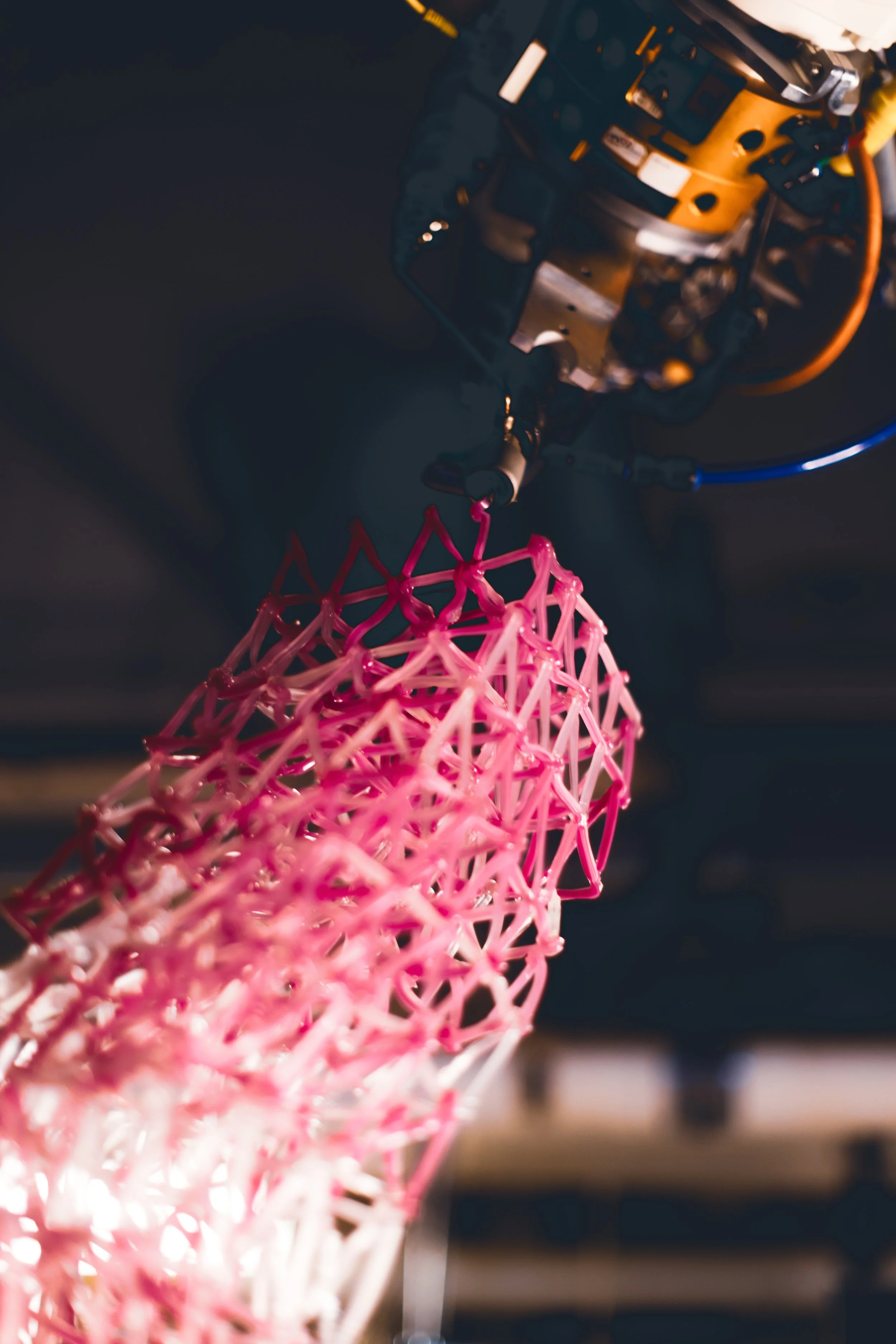
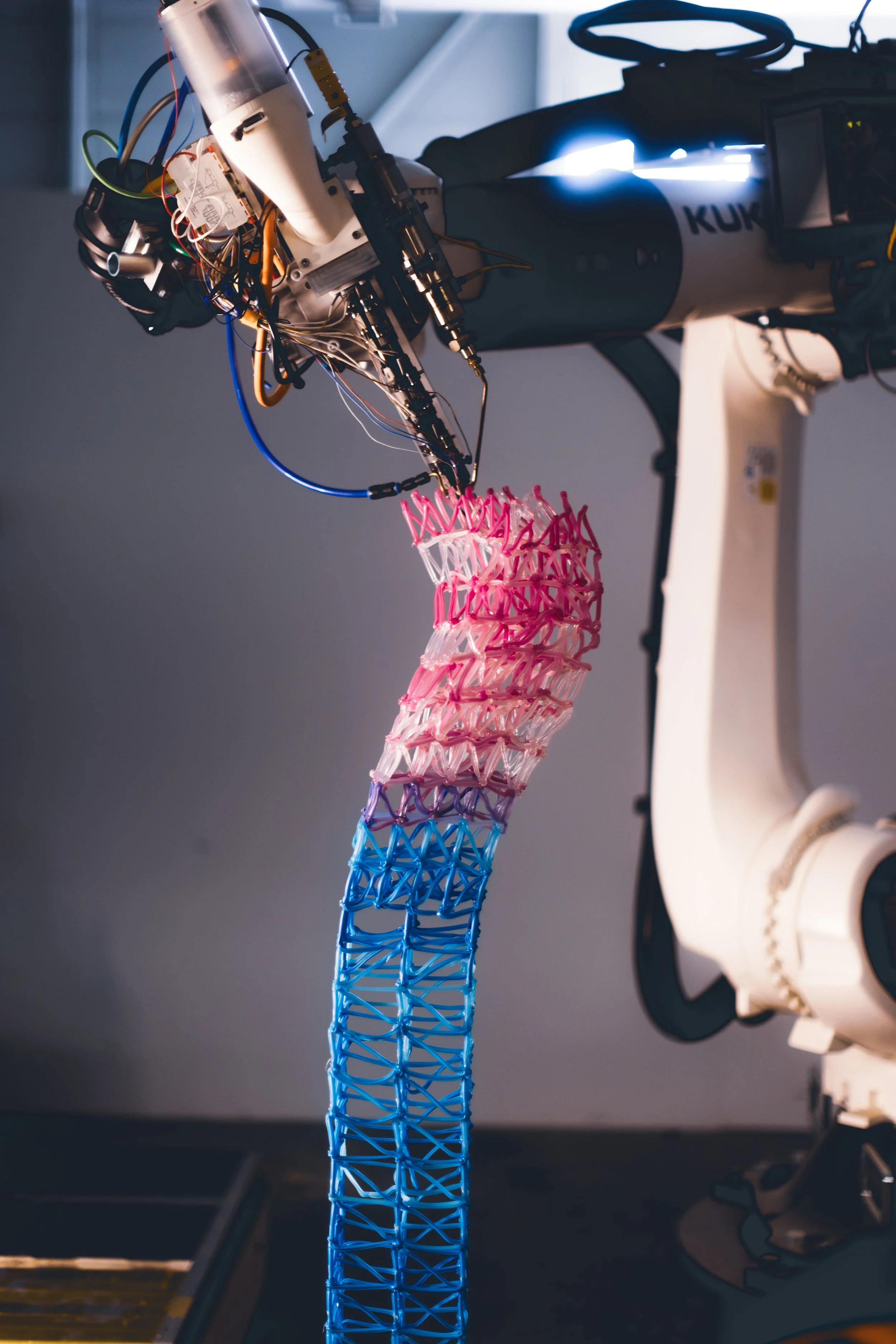
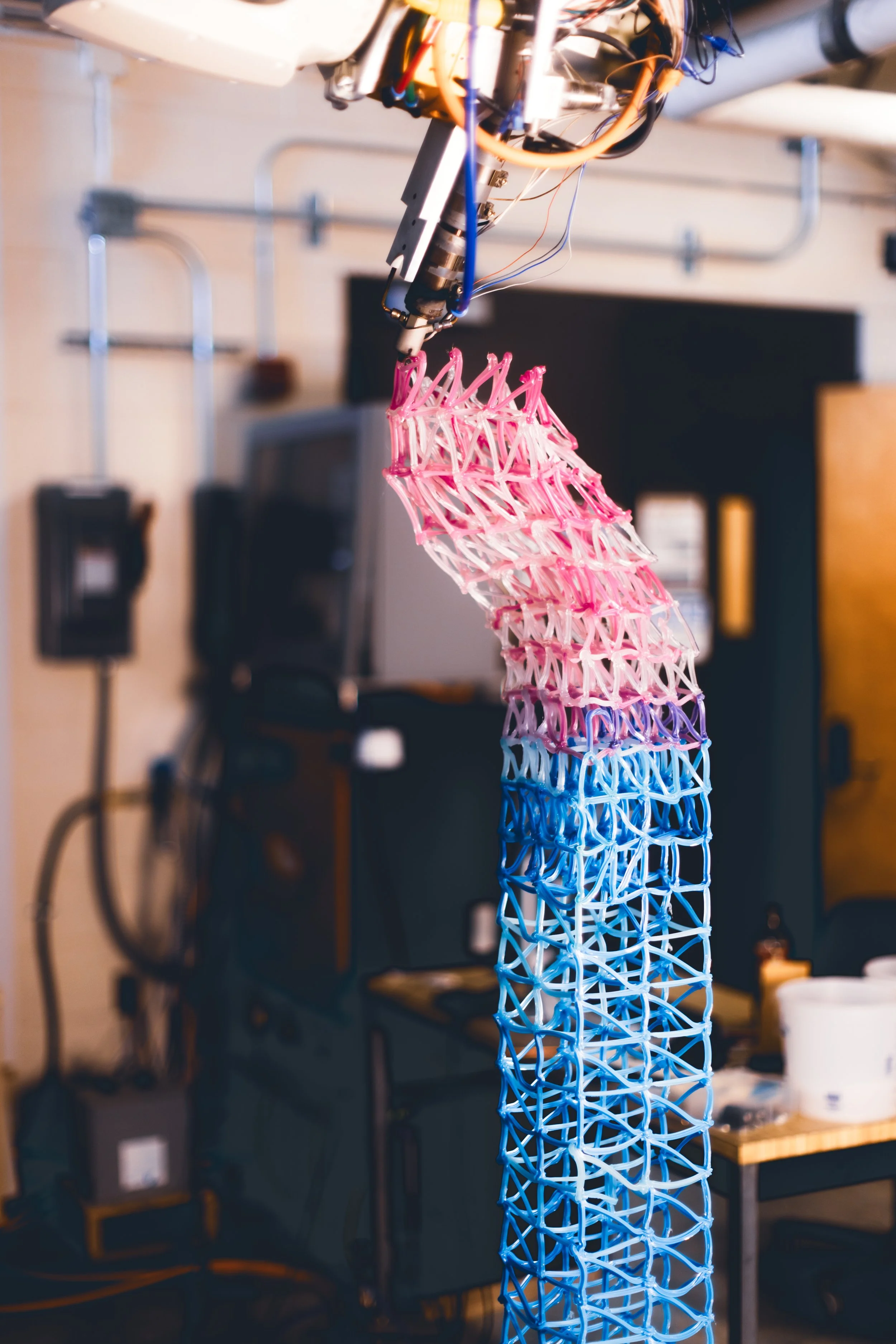
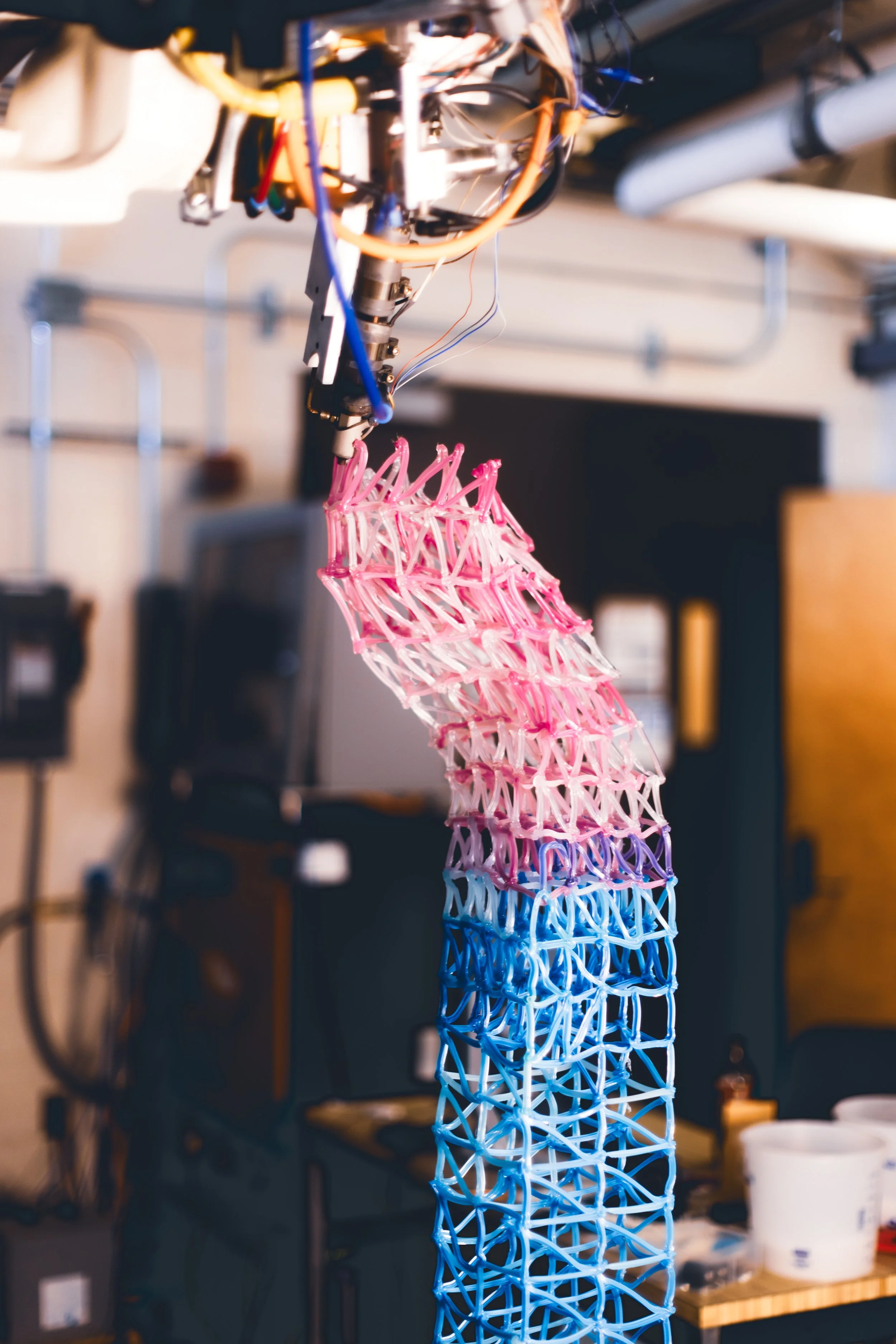
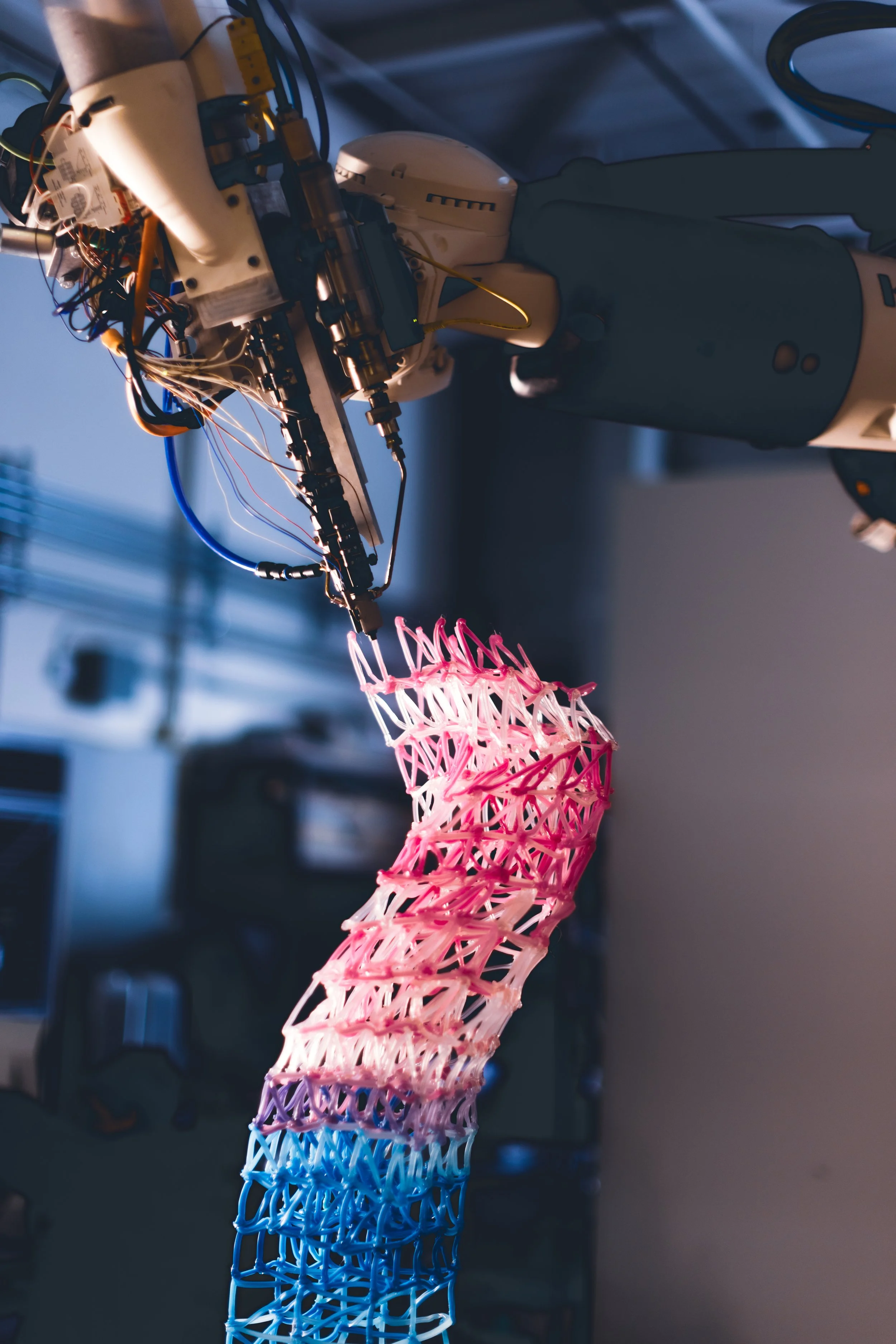
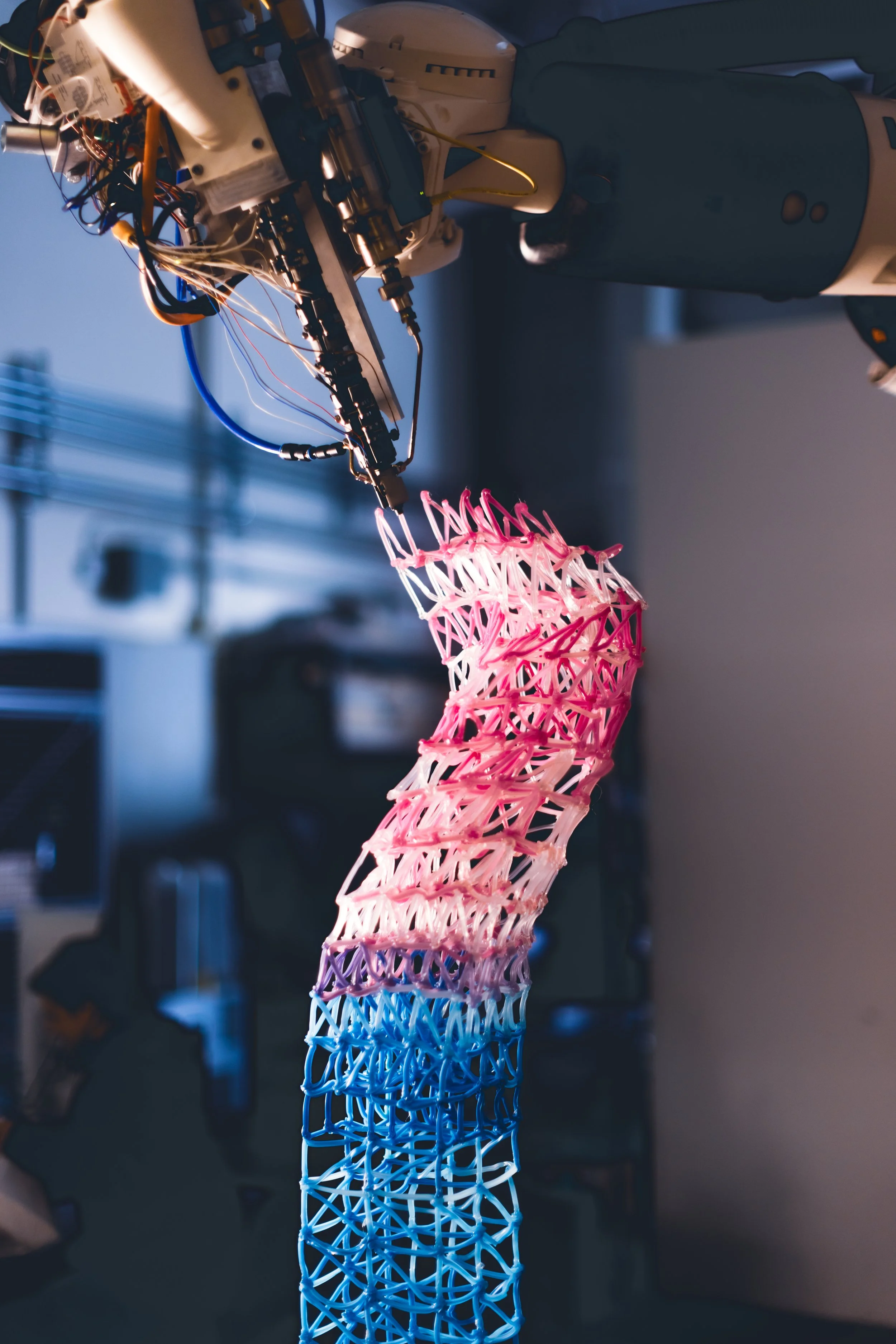
a non-planar spatial 3D printing workflow for producing functionally graded meta-
material prototypes in which toolpaths, deposition height, and material-architecture
parameters vary across curved three-dimensional domains. The approach links a digital
gradient field to manufacturable non-planar toolpaths, then validates the printed struc-
tures through geometric and functional characterization. The study evaluates whether
curvature-informed non-planar grading can improve geometric fidelity, stiffness-to-mass
ratio, and material usage relative to uniform or planar baselines. The work positions
non-planar functionally graded printing as a practical route for next-generation mul-
tifunctional metamaterials by connecting design intent, fabrication constraints, and
physical performance in a single virtual-to-physical pipeline.